In short
Oracle Fusion Cloud modules explained — what ERP, HCM, SCM and EPM each cover, how they share one data model & why phased adoption works.
Oracle Fusion Cloud Modules Explained: ERP, HCM, SCM and EPM
Oracle Fusion Cloud is not one product but a suite. Understanding what ERP, HCM, SCM and EPM each cover — and how they share one data model — is the starting point for any Fusion decision.
One suite, one data model
The defining feature of Oracle Fusion Cloud is that its pillars run on a shared data model. A new hire in HCM, a purchase in Procurement and the resulting cost in Financials are the same connected data, not three systems stitched together — which is where much of the value, and the implementation care, lives.
The pillars
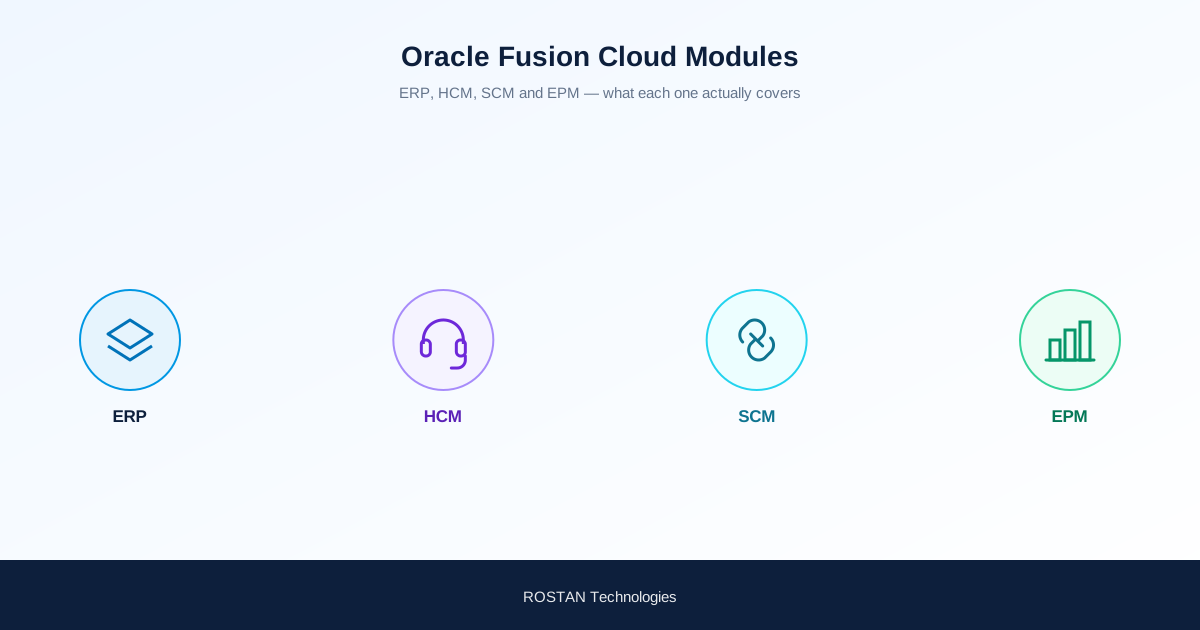
- ERP (Fusion Cloud ERP) — Financials (General Ledger, Payables, Receivables, Assets, Cash), Procurement, and Project Management. The financial core of the business.
- HCM (Human Capital Management) — core HR, payroll, talent, recruiting and workforce management. The system of record for people.
- SCM (Supply Chain Management) — inventory, order management, manufacturing, procurement of goods, and logistics. How product and materials flow.
- EPM (Enterprise Performance Management) — planning, budgeting, financial consolidation and close, and profitability analysis. How the business plans and reports on itself.
Oracle also groups customer-facing capabilities under CX, but ERP, HCM, SCM and EPM are the enterprise back-office core most Fusion programmes start with.
You do not have to adopt everything at once. Most enterprises start with one or two pillars — commonly ERP or HCM — and extend across the suite as value is proven, because the shared data model makes each addition easier than the last.
Deciding where to start with Fusion?
We help enterprises pick the right first pillar, sequence the rollout, and get value from the shared data model rather than re-creating silos in the cloud.
Talk to a Fusion Consultant
Related service
Oracle Fusion Cloud & EBS
We implement Oracle Fusion Cloud and support Oracle E-Business Suite. If someone is telling you EBS is end-of-life, read this first — Oracle has committed Premier Support through at least 2037.
See our Oracle ERP services
Frequently Asked Questions
The enterprise core is four pillars: ERP (Financials, Procurement, Project Management), HCM (Human Capital Management — HR, payroll, talent), SCM (Supply Chain Management — inventory, order management, manufacturing, logistics) and EPM (Enterprise Performance Management — planning, consolidation, close). Oracle also offers customer-facing CX capabilities.
Yes. Oracle Fusion Cloud pillars run on a shared data model, so a hire in HCM, a purchase in Procurement and the resulting cost in Financials are the same connected data rather than separate systems. That integration is a major source of Fusion's value and a key reason to plan implementations carefully.
Fusion ERP is the transactional financial core — General Ledger, Payables, Receivables, Procurement and projects. EPM (Enterprise Performance Management) sits above it for planning, budgeting, financial consolidation and close, and profitability analysis. ERP records what happened; EPM plans and reports on performance.
No. Most enterprises start with one or two pillars — commonly ERP or HCM — and extend across the suite as value is proven. The shared data model makes each additional pillar easier to add, so a phased adoption is both common and sensible.

Written & reviewed by
Vice President — Oracle Delivery, ROSTAN Technologies
Rajkumar Awasthi leads Oracle delivery at ROSTAN Technologies, overseeing Oracle ERP implementation, Oracle E-Business Suite support and EBS-to-Fusion Cloud migration engagements for enterprise customers across India and the GCC.
More from Rajkumar →
Free · No obligation · 48-hour report
Get a free Oracle Health Check
Our Oracle Gold Partner experts review your EBS, Fusion Cloud or APEX environment and send a written report on performance gaps, cost savings and upgrade risk.
Have questions about Oracle, AWS or Cloud?
Talk to our certified experts — free consultation, no commitment.